
Table of Contents
- Gerber and Topsy Campgrounds Open May 13
- Mid-May Kickoff for BLM Camping Season
- Other BLM Campground Opening Dates
- Planning Your Trip
- WOLFBOX Take: The Real Story Is Dispersed Camping
- Prep for Remote, Self-Sufficient Camping
- FAQ
Gerber and Topsy Campgrounds Open May 13
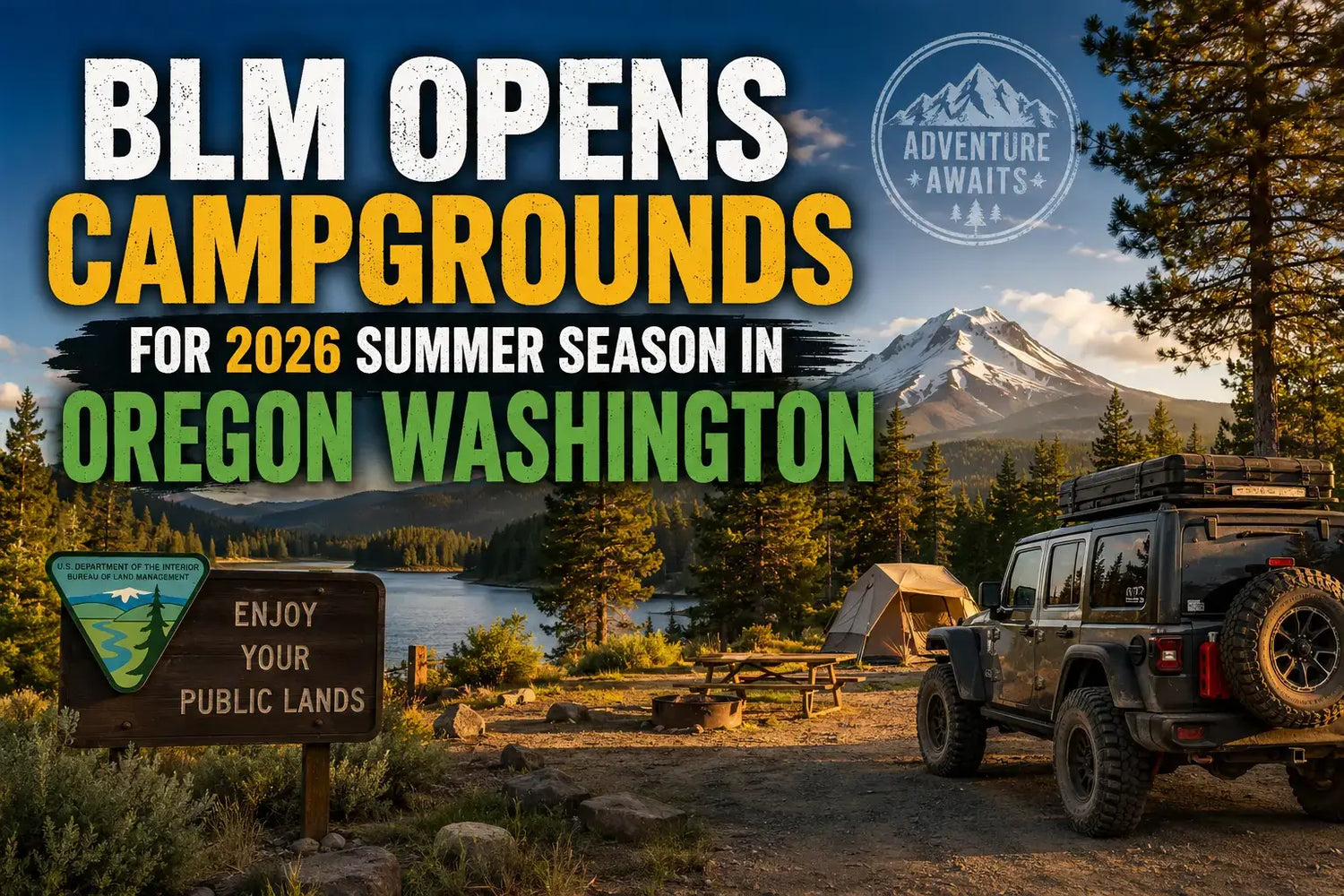
The Bureau of Land Management's Lakeview District in Oregon will open the Gerber and Topsy campgrounds for the 2026 recreation season on Wednesday, May 13, ahead of Memorial Day weekend. Both sites are managed by the Klamath Falls Field Office and offer camping in the Cascade Range foothills of southern Oregon. Gerber Campground sits near Gerber Reservoir, a popular spot for fishing, boating, and wildlife viewing. Topsy Campground provides access to the Klamath River and nearby hiking trails.
Mid-May Kickoff for BLM Camping Season
Most seasonal campgrounds across Oregon and Washington open by mid-May, though specific dates vary based on local conditions and elevation. The BLM manages hundreds of developed campgrounds and dispersed camping areas across both states, ranging from old-growth forests west of the Cascades to high desert landscapes east of the mountains. The agency encourages visitors to check individual campground status before traveling, as higher-elevation sites may open later depending on snowmelt and road conditions.
Other BLM Campground Opening Dates
Additional BLM campgrounds across the region have announced opening schedules for 2026. The Eagleview Group, Susan Creek, Cavitt Creek, and Scaredman campgrounds in Oregon require advance reservations through Recreation.gov at least three days before arrival. Other sites operate on a first-come, first-served basis. On the Washington side, the BLM's Spokane District manages several seasonal campgrounds along the Columbia River and in eastern Washington's scrub-steppe terrain.
The BLM is also seeking volunteer campground hosts for the 2026 season at various locations, including the Mattole Campground at the King Range National Conservation Area on California's Lost Coast — a remote area popular with overlanders and adventure travelers.
Planning Your Trip
For overlanders and campers planning summer trips on BLM lands, the agency recommends the following:
- Check opening dates at blm.gov before heading out — higher-elevation sites may open later than mid-May
- Reserve in advance at Recreation.gov for group sites and popular locations
- Bring your own water — many BLM campgrounds do not have potable water available until later in the season
- Follow Leave No Trace principles to preserve public lands for future visitors
Dispersed camping is also permitted on most BLM-managed public lands outside developed campgrounds, subject to local regulations and fire restrictions. This option is particularly popular among overlanders who prefer remote, self-sufficient camping away from developed facilities.
WOLFBOX Take: The Real Story Here Is Dispersed Camping
Developed campgrounds opening is the headline, but the tell in this announcement is how much it leans on dispersed camping — the “remote, self-sufficient” style the BLM calls out for overlanders, from the King Range's Lost Coast to eastern Washington's scrub-steppe. That's the real WOLFBOX crowd, and dispersed camping asks two things a developed site doesn't: you drive rough, often unmarked access roads to get there, and you're genuinely on your own once you do — no camp host, no potable water, and often no signal.
Prep for both halves: getting in, and being out there.
Prep for Remote, Self-Sufficient Camping
- Be your own jump on a remote night. Cold high-desert or Cascade-foothill nights, plus camp lights and a fridge, are how a battery dies miles from the nearest help. A pocket WOLFBOX jump starter gets you moving again without a camp host or a second rig to lean on.
- See the rough access road in. Dispersed sites sit at the end of unmarked two-tracks. The 3-channel WOLFBOX G900TriPro (Bumper Version) adds a low, waterproof bumper camera for the rocks and ruts on the way in, and a rear view for a rig packed with a week of camp gear.
- New to going off-pavement? Our off-roading guide covers the basics of reaching dispersed sites safely and what a camera setup adds on unfamiliar backroads.
FAQ
When do BLM campgrounds in Oregon and Washington open for 2026?
Most seasonal sites open by mid-May, with Oregon's Gerber and Topsy campgrounds opening May 13 ahead of Memorial Day. Higher-elevation sites may open later depending on snowmelt and road conditions, so check individual campground status at blm.gov before traveling.
Do I need a reservation for BLM campgrounds?
Some do — sites like Eagleview Group, Susan Creek, Cavitt Creek and Scaredman require reservations through Recreation.gov at least three days ahead — while others are first-come, first-served. Group and popular sites should be reserved in advance.
Is dispersed camping allowed on BLM land?
Yes. Dispersed camping is permitted on most BLM-managed public lands outside developed campgrounds, subject to local regulations and fire restrictions. It's especially popular with overlanders who prefer remote, self-sufficient camping.
How should I prep for remote dispersed camping?
Bring your own water, carry self-recovery basics like a jump starter for a dead battery far from help, be ready for rough access roads, and follow Leave No Trace. A GPS dash cam also helps you retrace unmarked routes and document the drive in.
Sources
- BLM — Klamath Falls Field Office Opens Gerber and Topsy Campgrounds May 13
- Big Country News — BLM Prepares to Open Campgrounds for 2026 Recreation Season
- KEYW — How to Plan a Safe Camping Trip in Oregon and Washington
- BLM — Bureau of Land Management Campground Opening Dates
- BLM — BLM Seeks Volunteer Campground Host for California's Remote Lost Coast

Leave a comment
This site is protected by hCaptcha and the hCaptcha Privacy Policy and Terms of Service apply.